How E-Challan Cameras Work in Pakistan: ANPR Technology & Safe City Networks
Getting an automated challan notification on your phone feels like magic—or a nightmare, depending on which side of traffic rules you’re on. But how exactly do these cameras spot your violations without a single traffic warden in sight?
Pakistan’s digital enforcement has transformed completely. Cities like Lahore, Islamabad, Rawalpindi, and Karachi now rely on artificial intelligence, high-definition cameras, and instant database matching to catch violations 24/7. If you’ve received a PSCA e-challan Punjab notification, you’ve experienced this system firsthand. Understanding how it works helps you stay violation-free and dispute wrong penalties when needed.
The Brain Behind E-Challan Cameras: ANPR Technology
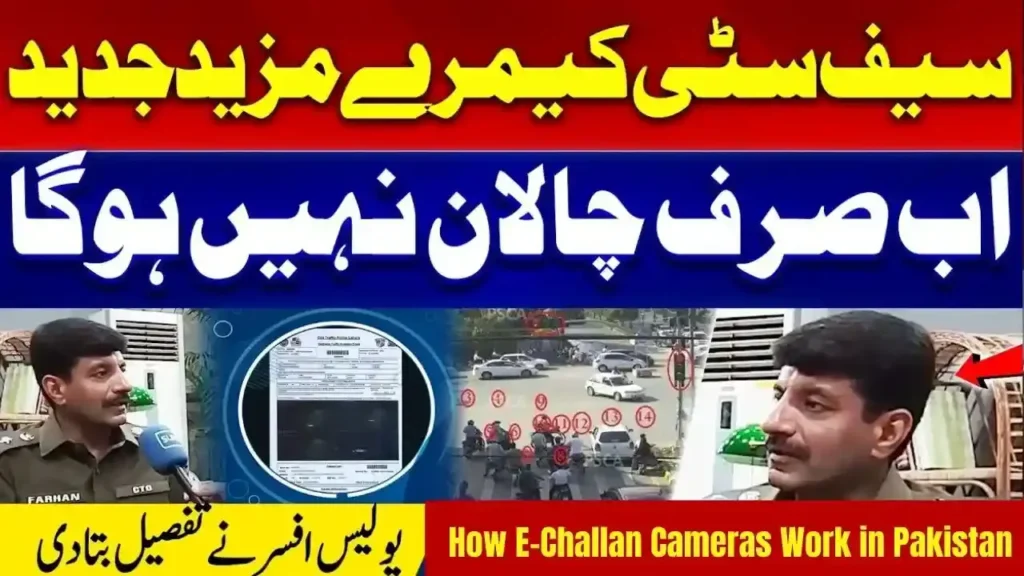
Automatic Number Plate Recognition isn’t just fancy tech jargon. It’s the core system that reads your vehicle plate, converts the image into digital text, and matches it against official records—all within seconds.
Here’s what ANPR cameras verify instantly:
- Vehicle registration number
- Plate color (private, commercial, or government)
- Font style and size compliance
- Legal status of the plate
Fancy number plates or AFR vehicles get flagged immediately. The system doesn’t care if your plate looks cool—it cares if it’s legal and readable.
Safe City Surveillance: Eyes Everywhere
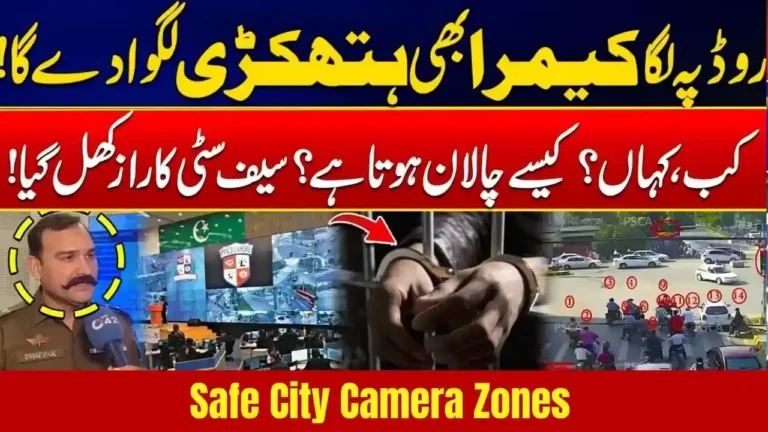
Safe City Projects have installed thousands of intelligent cameras across Pakistan’s urban centers. These aren’t regular CCTV cameras. They’re smart, connected, and watching every major road, signal, and highway junction.
Where You’ll Find These Cameras:
| Location Type | Purpose |
|---|---|
| Traffic signals | Red light violations, helmet checks |
| Busy intersections | Lane discipline, wrong-way driving |
| Highways & expressways | Over-speeding, illegal overtaking |
| City entry/exit points | Vehicle tracking, stolen vehicle alerts |
These cameras transmit live footage to central command centers, where AI algorithms analyze traffic violations without human interference. The entire e-challan Lahore network operates on this infrastructure.
How Your Violation Gets Detected Step-by-Step
Step 1: Vehicle Capture
High-resolution cameras equipped with infrared sensors and night vision capture your vehicle from multiple angles. Whether it’s noon or midnight, the system sees everything.
Step 2: Plate Recognition
ANPR software scans your number plate, reading every character, checking font compliance, and measuring plate dimensions. Blurry plates or unusual fonts trigger alerts.
Step 3: Database Cross-Check
Your vehicle details get matched with Excise & Taxation records instantly. The system verifies registration status, token tax payment, and existing unpaid challans linked to your CNIC.
Step 4: Violation Analysis
AI algorithms assess your action against traffic rules:
- Radar systems measure your speed
- Signal color analysis checks if you crossed during red
- Image processing detects helmet and seatbelt usage
- Lane mapping identifies wrong-way driving
Step 5: Challan Generation
Once confirmed, the system auto-generates your challan with date, time, location, violation type, fine amount, and HD photo evidence.
Step 6: Delivery
You receive the challan via SMS, postal mail, or through online portals. Most people discover their violations when checking for updated news on traffic enforcement.
Types of Cameras Watching Pakistani Roads
Fixed ANPR Cameras
Permanently installed at signals and intersections. They monitor red-light violations, lane discipline, and helmet compliance continuously.
Speed Radar Cameras
Deployed on motorways, ring roads, and expressways. These cameras use integrated radar to measure vehicle speed and capture over-speeding violations with pinpoint accuracy.
PTZ Cameras (Pan-Tilt-Zoom)
Used for live monitoring and tracking high-risk behavior. Traffic control rooms zoom in on suspicious activities and capture detailed evidence.
Mobile Cameras
Temporarily deployed during traffic campaigns, VIP movements, or special enforcement drives. These add flexibility to the surveillance network.
What Violations These Cameras Catch Automatically
The system doesn’t miss much. Here’s what triggers automatic challans:
- Over-speeding on highways and city roads
- Jumping red signals
- Riding without a helmet
- Driving without a seatbelt
- Wrong-lane or one-way violations
- Using fancy or illegal number plates
- Missing or AFR plates
Common Violation Fines (2025):
| Violation | Fine Amount |
|---|---|
| Over-speeding | Rs. 1,000 – Rs. 2,000 |
| Red signal jump | Rs. 1,000 |
| No helmet | Rs. 500 |
| No seatbelt | Rs. 500 |
| Fancy plate | Rs. 5,000 |
Why Wrong Challans Still Happen
Technology isn’t perfect. Errors occur due to:
- Dirty or damaged plates reducing ANPR accuracy
- Similar number plate combinations causing mix-ups
- Fancy fonts confusing the recognition software
- Poor weather or lighting affecting camera visibility
If you receive a wrong challan, you can file a dispute through official Safe City portals. Keep your vehicle documents handy as proof.
Real Benefits of Automated Enforcement
No Roadside Corruption
The system eliminates bribery and selective enforcement. Everyone faces the same rules.
Round-the-Clock Monitoring
Unlike traffic wardens who work shifts, cameras never sleep. Violations at 3 AM get caught just as easily as those at 3 PM.
Reduced Accidents
Strict enforcement of speeding and signal violations has measurably reduced road accidents in cities with full Safe City coverage.
Digital Record Keeping
Every violation is documented with evidence. This helps during vehicle ownership transfers, legal disputes, and audit processes.
Smart City Integration
The data collected helps urban planners understand traffic patterns, optimize signal timings, and improve emergency response.
How to Check Your Challan Status
Visit the official Punjab Safe City portal at https://echallan.psca.gop.pk/ or use provincial traffic apps. You’ll need your vehicle registration number or CNIC to view pending challans.
Regular checking helps you stay updated and avoid accumulating penalties that block token tax renewals or vehicle transfers.
FAQs About E-Challan Cameras
Can cameras detect fancy plates automatically?
Yes, AI evaluates plate shape, font, size, and legality. Non-compliant plates get flagged for violations.
Do all e-challans include photo evidence?
Absolutely. Every automated challan comes with HD image or video proof showing the violation clearly.
How are speeding violations measured?
Through integrated radar systems that calculate vehicle speed and combine it with ANPR image capture for accurate enforcement.
Can AFR vehicles receive challans?
Yes, depending on provincial rules. Some regions strictly enforce regulations on AFR plates.
Why did I get a challan after selling my vehicle?
Ownership wasn’t updated in Excise records. Always complete transfer paperwork immediately after selling.
What happens if my plate was dirty during capture?
The system may flag it as unreadable or issue a violation for maintaining an illegible plate. Keep plates clean always.
Final Thoughts
E-challan cameras have revolutionized traffic enforcement across Pakistan. ANPR technology, Safe City surveillance, and AI-powered violation detection work together to create a transparent, corruption-free system that operates continuously.
Understanding this technology isn’t just about avoiding fines—it’s about becoming a safer, more responsible driver. As digital enforcement expands nationwide, staying informed helps you navigate Pakistan’s roads without unexpected penalties.