E-Challan on Out-of-City Vehicle: How Cross-City Traffic Fines Work in Pakistan
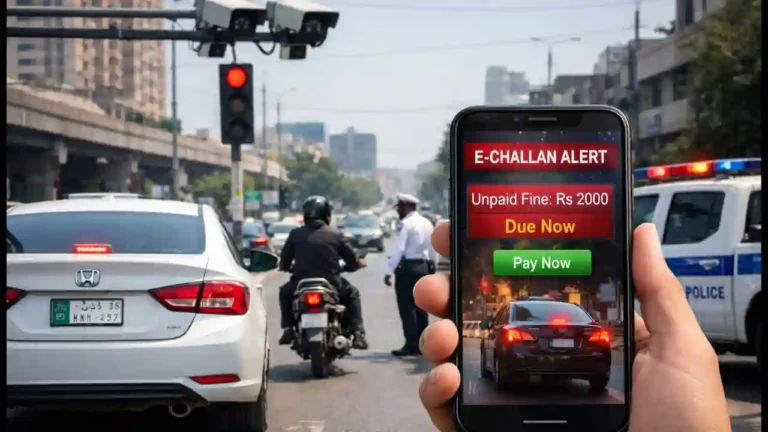
Traveling between cities in Pakistan just got more serious. Imagine driving your Karachi-registered car through Lahore, and weeks later, you receive a traffic fine via SMS. Confused? You’re not alone. Thousands of Pakistani drivers face this situation monthly as automated traffic systems expand across the country.
The PSCA e-challan system has revolutionized traffic enforcement. With Safe City cameras and ANPR technology tracking vehicles nationwide, your registration city no longer shields you from fines. Whether you break a signal in Islamabad or overspeed in Faisalabad, the system finds you.
This guide breaks down everything about receiving traffic fines when driving outside your registration city, including payment procedures, legal implications, and dispute resolution.
Understanding the E-Challan System
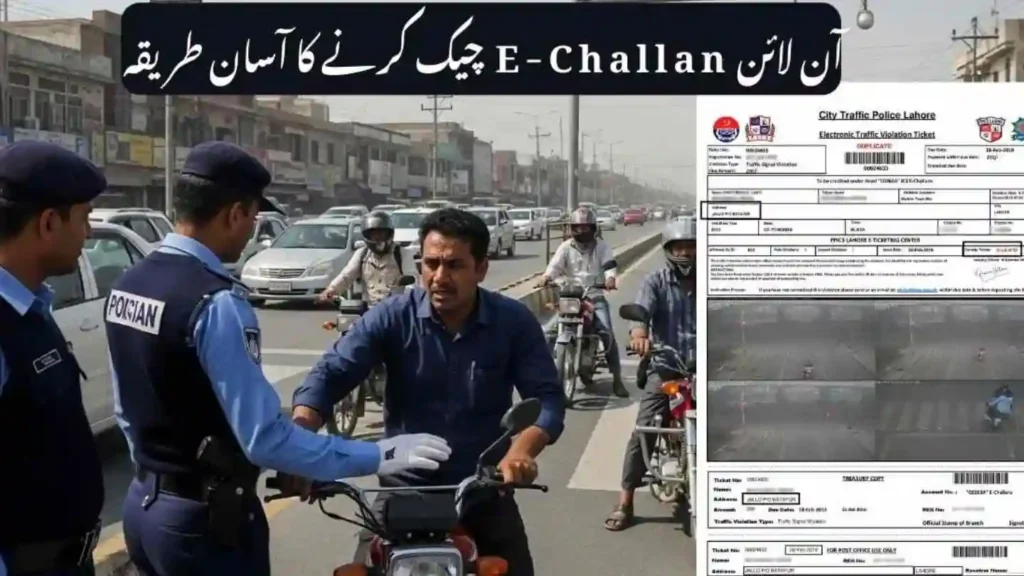
Electronic challans replaced traditional paper tickets through automated camera networks. These smart cameras capture violations instantly without requiring physical police presence. The technology reads number plates, records timestamps, and generates digital fines within minutes.
Key violations detected include speeding, signal jumping, wrong-way driving, illegal parking, and missing safety equipment. Unlike manual ticketing, automated systems operate 24/7, making violations harder to escape.
How Cameras Track Your Vehicle Across Cities
ANPR systems don’t care about city codes on registration plates. When your vehicle commits a violation, cameras photograph the number plate clearly. The software instantly cross-references this with national Excise and Taxation databases containing owner information regardless of registration location.
Here’s the step-by-step process:
| Step | Action | Details |
|---|---|---|
| 1 | Violation Detection | Camera captures number plate, time, location, offense type |
| 2 | Database Query | System searches nationwide vehicle records |
| 3 | Owner Identification | Retrieves CNIC, mobile number, registered address |
| 4 | Challan Generation | Digital fine issued to vehicle owner |
| 5 | Notification Delivery | SMS sent or online record updated |
Provincial Enforcement Levels
Punjab leads automation efforts. Cities like Lahore, Rawalpindi, Multan, and Faisalabad actively fine out-of-city vehicles daily. The E Challan Lahore system alone processes thousands of cross-city violations monthly through Punjab Safe Cities Authority coordination.
Islamabad operates independently but aggressively. Their traffic police portal lists challans for vehicles from all provinces, with strict follow-up on unpaid fines during physical checks.
Sindh focuses primarily on Karachi and Hyderabad. While expanding, enforcement remains less intensive compared to Punjab’s comprehensive network.
KPK gradually implements systems in Peshawar, Abbottabad, and Swat, though coverage gaps still exist in smaller districts.
Will Fines Reach Your Home City?
Absolutely. Modern integration means challans appear in multiple places simultaneously. Your local excise office accesses the same database during token tax renewal. Banks processing vehicle-related transactions also verify outstanding fines.
Even without SMS notification, the challan exists digitally and legally. Ignorance provides no protection when renewing registration or transferring ownership later.
Checking Your E-Challan Status Online
Regular verification prevents surprise accumulations. Visit official portals using your vehicle registration number:
- Punjab vehicles: Check Punjab Safe Cities website
- Islamabad residents: Use Islamabad Traffic Police portal
- Sindh drivers: Access Sindh Police Traffic website (limited functionality)
- KPK citizens: Contact local traffic offices directly
Monthly checks before inter-city trips help catch errors early. Screenshots of clean records prove useful if disputes arise later.
Payment Methods Nationwide
Convenience matters when settling fines. Pakistan offers multiple payment channels accepting challans issued anywhere:
Digital Payments: Mobile banking apps from major banks process e-challan payments directly. JazzCash and Easypaisa integrate with some systems for instant settlement through mobile wallets.
Physical Payments: Any bank branch accepts challan payment via PSID number printed on notices. ATMs belonging to specific banks also enable self-service transactions.
Processing Time: Payments reflect within 24-48 hours in online systems, clearing your vehicle record officially.
Consequences of Ignoring Fines
Unpaid challans create cascading problems beyond simple monetary penalties. Excise departments block vehicle token renewals when outstanding fines exist. This prevents legal road usage until settlement.
During vehicle sales, buyers discover unpaid challans during verification checks. This complicates transactions and reduces negotiating power. Transfer processes halt completely in some cases.
Physical traffic stops reveal unpaid fines through mobile database checks. Officers may issue additional citations or temporarily impound vehicles with excessive outstanding amounts.
Challenging Incorrect Challans
Mistakes happen in automated systems. Wrong number plate readings, sold vehicles still under your name, or camera malfunctions create unjust fines. You have legal recourse.
Valid Challenge Grounds:
- Vehicle sold before violation date (provide transfer documents)
- Number plate misidentification (submit clear current photos)
- Physical impossibility (vehicle not in that city on violation date)
- Camera error evidence (unclear images, wrong location data)
Dispute Process: Visit the Safe City office in the issuing city with original documents. Submit written complaints referencing challan number, CNIC, and supporting evidence. Some cities accept online complaints through official portals.
Resolution typically takes 2-4 weeks. Successful challenges remove fines completely from records. Keep all correspondence copies for future reference.
Common Misconceptions Debunked
“Fines from other cities don’t count.” False. All provincial systems share data through national integration efforts making every challan legally binding nationwide.
“They can’t track me in my city.” Wrong. Excise databases connect across Pakistan. Your local office sees violations committed anywhere when you interact with them officially.
“Only locals get seriously pursued.” Incorrect. Enforcement treats all vehicles equally. Automated systems don’t distinguish between local and out-of-city registrations.
Practical Prevention Tips
Stay violation-free through consistent awareness. Speed limits vary between cities with Lahore and Islamabad maintaining strict monitoring. Yellow light discipline matters more in automated zones where cameras catch signal violations precisely.
Lane discipline receives heavy scrutiny in metropolitan areas. Mobile phone usage while driving triggers fines in covered zones. Research destination city traffic rules before trips since enforcement priorities differ regionally.
Defensive driving combined with rule awareness keeps your record clean. Assume cameras monitor all major intersections and highways in large cities.
Real-World Impact Examples
| Scenario | Registration City | Violation City | Fine Amount | Resolution Time |
|---|---|---|---|---|
| Over-speeding | Karachi | Lahore | PKR 2,000 | Paid within 7 days |
| Signal jumping | Rawalpindi | Islamabad | PKR 3,000 | Challenged successfully after 3 weeks |
| Wrong parking | Multan | Faisalabad | PKR 1,500 | Auto-paid during token renewal |
Future System Developments
Pakistan moves toward complete traffic automation by 2026. Plans include real-time SMS alerts immediately after violations, centralized national challan databases accessible from single portals, and integrated payment systems accepting all methods universally.
Artificial intelligence will improve number plate recognition accuracy significantly. Repeat offenders face escalating penalties and potential license suspensions through automated tracking. For the latest developments, visit our updated news section regularly.
Frequently Asked Questions
Can Punjab cities fine Sindh-registered vehicles?
Yes, provincial boundaries don’t limit e-challan enforcement. Any automated system can fine any registered vehicle nationwide.
How long until unpaid challans cause problems?
Immediately during token tax renewal or vehicle transfer attempts. Accumulated fines appear instantly in official records.
What if my mobile number isn’t updated in records?
Challans still exist legally. Update contact information at your local excise office to receive future notifications.
Can I pay Lahore fines from Karachi?
Absolutely. Banks and online systems accept payments regardless of your current location or the issuing city.
Do challans expire after time?
No expiration exists. Fines remain active until paid or successfully disputed through official channels.
What proves I wasn’t driving during violation?
Legal ownership makes you responsible regardless of who drove. Only vehicle sale documentation before violation date exempts liability.
Final Thoughts
Cross-city traffic enforcement represents Pakistan’s modernization efforts. The convenience of automated systems comes with increased accountability for drivers nationwide. Whether you drive occasionally between cities or regularly commute, understanding these mechanisms protects you from unnecessary complications.
Stay informed about your vehicle’s challan status, maintain updated registration information, and drive defensively everywhere. Prevention costs nothing compared to accumulated fines and administrative headaches later.