Safe City Camera Zones 2026: Hidden Traffic Cameras & Spots You Never Knew Existed
You just drove through what looked like a quiet, camera-free street. Three days later, an SMS hits your phone—challan issued. Welcome to 2026, where Safe City cameras hide in places you’d never suspect.
Pakistan’s surveillance infrastructure has evolved beyond obvious traffic signals. Cameras now blend into street poles, building corners, and even residential lanes. Cities like Lahore, Islamabad, Rawalpindi, and Karachi have quietly expanded monitoring zones, turning everyday routes into automated enforcement traps. Understanding these Punjab e-challan camera locations isn’t paranoia—it’s smart driving in 2026.
What Makes Safe City Camera Zones Different in 2026?
Safe City Camera Zones aren’t just about catching red-light runners anymore. The 2026 network uses artificial intelligence, advanced ANPR technology, and behavior prediction algorithms to monitor violations you didn’t even know were violations.
These zones actively enforce:
- Over-speeding on roads without visible speed limits
- Lane discipline on seemingly empty streets
- Helmet compliance in residential areas
- Mobile phone usage while driving
- Illegal U-turns at unmarked spots
- Wrong-way driving in housing societies
- Expired registration and token tax status
Every violation gets logged automatically. The system cross-references your vehicle number with Excise databases and generates challans without human involvement. Most drivers discover these penalties when checking their Lahore traffic challan status online.
Hidden Camera Locations Most Drivers Miss
Underpasses & Flyover Zones
Drivers instinctively speed up inside underpasses, assuming no cameras can function in low light. Wrong. Modern ANPR cameras equipped with infrared sensors are embedded in:
- Ceiling panels
- Side pillars
- Entry and exit points
High-Risk Cities:
| City | Notorious Underpass Zones |
|---|---|
| Lahore | Canal Road underpasses, Ring Road flyovers |
| Islamabad | Expressway tunnels, 9th Avenue flyovers |
| Karachi | Sharae Faisal underpasses, KPT flyover |
These hidden installations catch thousands of speeding violations monthly.
Signal-Free Corridors
Long stretches without signals feel like free zones. They’re not. Lahore’s Canal Road, Islamabad’s Expressway, and Karachi’s University Road now have end-to-end AI monitoring detecting:
- Lane violations
- Sudden acceleration
- Mobile phone usage
- Illegal overtaking
Cameras placed every few hundred meters create continuous surveillance, making it impossible to identify safe spots.
School & Hospital Zones
Enhanced enforcement around educational and medical facilities means cameras monitor:
- Reduced speed limits (often 30-40 km/h)
- No-parking zones
- Pedestrian crossings
- U-turn restrictions
Common School Zone Violations (2026):
| Violation | Fine Amount | Detection Method |
|---|---|---|
| Speeding in school zone | Rs. 2,000 | AI speed calculation |
| Illegal parking | Rs. 1,000 | ANPR + geofencing |
| No helmet near school | Rs. 500 | Image recognition |
Higher fines apply here because violations endanger children. The system flags repeat offenders automatically.
Commercial & Market Areas
Busy shopping districts like Liberty Lahore, F-7 Markaz Islamabad, and Tariq Road Karachi use a mix of visible and concealed cameras. They catch:
- Double parking
- Traffic obstruction
- Helmet violations
- Wrong-side driving
Most cameras are disguised as street lights or mounted on building facades. Drivers realize violations only after receiving updated traffic penalties notifications.
Motorways & Ring Roads
Highway cameras do more than measure speed. They verify:
- Vehicle registration validity
- Token tax payment status
- Number plate legality
- Driver behavior patterns
Major Monitored Routes (2026):
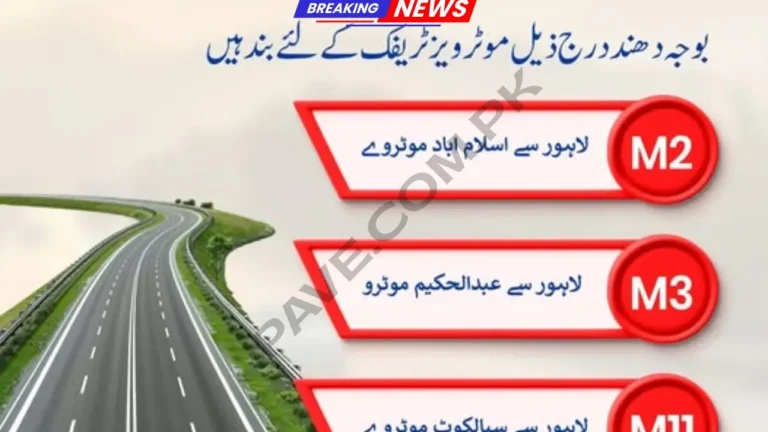
- M-2 Lahore to Islamabad
- M-3 Lahore to Abdul Hakeem
- Lahore Ring Road (all sections)
- Islamabad to Peshawar Motorway
- Karachi Northern Bypass
Toll plaza cameras cross-check every vehicle against Excise records. Using AFR plates or expired registration triggers instant alerts.
Residential Areas & Housing Societies
This surprises most drivers. Safe City cameras now cover:
- DHA phases (Lahore, Karachi, Islamabad)
- Bahria Town sectors
- Gulberg residential streets
- Model Town inner roads
These cameras enforce one-way restrictions, speed limits, and parking rules that residents often ignore, assuming no enforcement exists.
How Hidden Cameras Actually Work
Modern Safe City cameras don’t look like cameras anymore. They’re integrated into:
- LED street lights
- Utility poles
- Traffic signboards
- Building corners
- Tree-mounted panels
Detection Technologies Used:
- ANPR (Automatic Number Plate Recognition): Reads plates from any angle, even in rain or fog
- AI Behavior Analysis: Identifies reckless driving patterns
- Radar Integration: Measures speed without visible speed guns
- Infrared Sensors: Functions perfectly at night
- Multi-Angle Coverage: Captures violations from multiple perspectives
The system processes footage in real-time, matches vehicle data with databases, and generates challans within minutes. By the time you park your vehicle, the fine is already linked to your CNIC.
Practical Ways to Avoid Camera Zone Penalties
Always Assume You’re Being Watched
In 2026, the safest assumption is that every major road has camera coverage. Drive as if enforcement is active everywhere.
Respect Posted Speed Limits
Even if traffic is light, cameras detect speed violations automatically. A few extra minutes won’t cost you Rs. 2,000.
Keep Your Vehicle Documentation Updated
Expired token tax and registration get flagged at toll plazas and entry points. Renew on time to avoid complications.
Avoid Mobile Phone Usage Completely
AI cameras now detect phone handling through windshield analysis. Bluetooth headsets won’t save you if the camera catches your hand position.
Use Legal Number Plates Only
Fancy fonts, non-standard sizes, or AFR misuse trigger automatic violations. The fine starts at Rs. 5,000 and increases with repeat offenses.
Monitor Your Challan Status Regularly
Check your vehicle record monthly through official portals. Early payment avoids late fees and prevents token tax renewal blocks.
How to Check Your Safe City Challan
Visit the official enforcement portals based on your city:
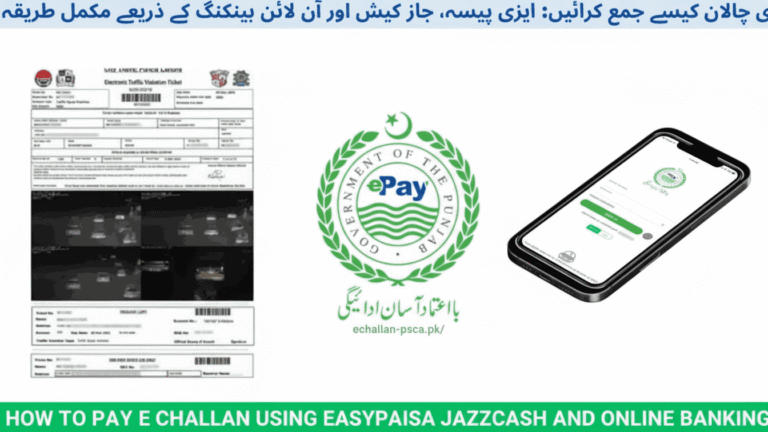
- Punjab: PSCA e-challan portal at https://echallan.psca.gop.pk/
- Islamabad: ICT Police mobile app
- Sindh: Karachi Safe City online system
Enter your vehicle registration number or CNIC to view pending fines, violation details, and payment options.
FAQs About Safe City Camera Zones 2026
Are cameras really active 24/7 in all zones?
Yes. Modern ANPR systems operate continuously with AI processing every frame in real-time.
Can hidden cameras detect speeding without radar guns?
Absolutely. AI calculates speed by analyzing frame timestamps and vehicle movement across camera zones.
Do cameras work during heavy rain or fog?
Yes. Infrared sensors and enhanced image processing maintain functionality in poor weather conditions.
Why did I get fined on a road with no visible camera?
Many 2026 installations are intentionally concealed to prevent avoidance behavior and ensure compliance everywhere.
Can I dispute a challan from a hidden camera?
Yes, if you have evidence proving the violation didn’t occur. Every challan includes timestamped photo or video proof.
How often should I check for new challans?
At least once a month. Undetected fines accumulate late fees and block vehicle-related transactions.
Final Thoughts
Safe City Camera Zones in 2026 have transformed Pakistani roads into fully monitored spaces. Hidden cameras in underpasses, residential areas, commercial hubs, and highways mean traditional “safe spots” no longer exist.
The best defense isn’t memorizing camera locations—it’s consistent rule compliance. Drive responsibly everywhere, maintain proper documentation, and regularly check your challan status. That’s how you navigate Pakistan’s roads without surprise penalties in 2026.