Can You Get E-Challan Without Knowing? Everything Pakistani Drivers Must Understand
Last month, Ahmed went to renew his vehicle token in Lahore. The counter staff informed him about three pending e-challans totaling PKR 8,000. He was shocked because he never received any notification, never got stopped by traffic police, and had no idea these fines existed. Sound familiar?
This scenario plays out daily across Pakistan as automated traffic systems silently monitor roads. The uncomfortable truth: you absolutely can receive traffic fines without any immediate awareness. Unlike traditional policing where officers stop vehicles and hand over paper tickets, modern e-challan systems operate invisibly through cameras and artificial intelligence.
Understanding how these silent fines work protects you from unexpected financial surprises and legal complications. This guide reveals exactly when, why, and how e-challans appear without driver knowledge, plus practical steps to stay ahead of automated enforcement.
How Electronic Traffic Monitoring Actually Works
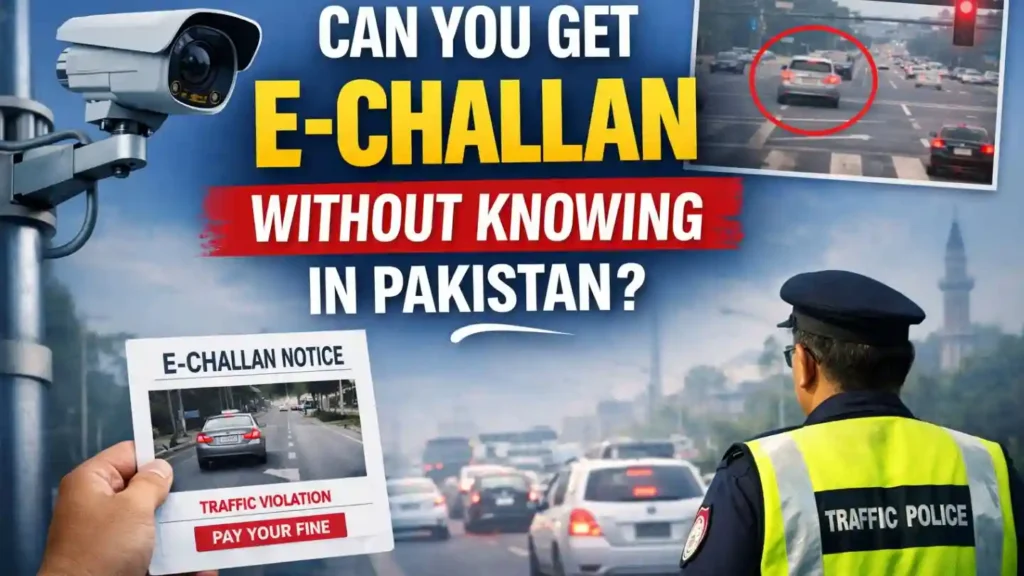
Pakistani cities deployed sophisticated surveillance infrastructure over recent years. Safe City projects installed thousands of cameras across major roads, intersections, and highways. These aren’t simple security cameras; they’re specialized traffic enforcement tools equipped with advanced recognition technology.
ANPR systems read number plates automatically at high speeds, even in poor lighting or rain. Speed detection radars measure vehicle velocity continuously. Red light cameras capture signal violations with millisecond precision. AI algorithms analyze footage for seatbelt usage, mobile phone handling, and lane discipline violations.
When violations occur, systems instantly capture multiple images showing the vehicle, number plate clearly, exact timestamp, and GPS location. This evidence automatically generates digital challans linked directly to vehicle registration numbers in government databases.
The entire process happens without human intervention initially. No traffic warden witnesses your violation. No physical interaction occurs. The camera sees, the system records, and the challan appears in databases within hours or sometimes days.
Why Most Drivers Miss Their E-Challans
Notification gaps create awareness problems. Many drivers expect SMS alerts similar to banking notifications, but reality differs significantly. Mobile numbers registered with Excise departments often remain outdated for years. People change phone numbers but never update vehicle records.
Even when contact information stays current, SMS delivery faces technical issues. Network problems, database errors, or system overload prevent messages from reaching drivers. Some provincial systems simply don’t send automated notifications at all, leaving drivers completely in the dark.
Ownership confusion complicates matters further. Vehicles registered under company names, previous owners, or family members create notification dead zones. The registered owner receives alerts (if any), while actual drivers remain unaware. This particularly affects:
- Corporate fleet vehicles driven by employees
- Cars bought through informal transfers without proper documentation
- Family vehicles registered under parents but driven by children
- Rental vehicles where customers drive but companies hold registration
Delayed processing adds another layer. Not all violations generate instant challans. Some footage undergoes manual review by traffic department staff who verify violations before issuing fines. This review process takes days or weeks, creating time gaps between actual violations and challan appearance.
By the time the fine appears in systems, drivers completely forget the incident. They can’t recall which signal they jumped or where they exceeded speed limits weeks ago.
Common Violations Caught Silently
| Violation Type | Detection Method | Typical Fine Range | Common Locations |
|---|---|---|---|
| Overspeeding | Radar cameras | PKR 1,500-3,000 | Highways, expressways |
| Signal jumping | Red light cameras | PKR 2,000-4,000 | Major intersections |
| Lane violations | ANPR + AI analysis | PKR 1,000-2,000 | Multi-lane roads |
| Seatbelt missing | AI visual detection | PKR 500-1,000 | Urban checkpoints |
| Mobile phone use | Camera + manual review | PKR 500-1,500 | Traffic signals |
| Wrong-way driving | ANPR directional tracking | PKR 2,000-5,000 | One-way streets |
These violations happen quickly, often when drivers believe no one’s watching. Empty roads late at night still have cameras recording everything. The absence of visible enforcement doesn’t mean absence of monitoring.
Real Consequences of Unknown E-Challans
Unpaid fines don’t disappear. They accumulate silently in vehicle records creating problems when you least expect them. Token tax renewal becomes impossible with outstanding challans. Excise offices refuse processing until all fines clear.
Vehicle sale transactions halt completely. Smart buyers always check challan status before finalizing deals. Discovering unpaid fines during negotiations reduces your selling price significantly or collapses deals entirely.
Fitness certificate applications get rejected. Insurance claim processing faces delays when companies discover unpaid traffic violations. In extreme cases with numerous accumulated fines, authorities issue court summons requiring personal appearance and potentially license suspension.
The Punjab e-challan system particularly enforces strict policies on accumulated violations, making regular checking essential for drivers in that province.
Checking Your E-Challan Status Province-Wise
Regular verification prevents nasty surprises. Each province maintains separate portals requiring different information for searches.
Punjab drivers access the PSCA Safe City portal using vehicle registration numbers. The system displays all issued challans with dates, locations, violation types, and amounts. Screenshots serve as temporary receipts during payment processing.
Islamabad residents use the Islamabad Traffic Police website which offers cleaner interfaces and faster searches. Results appear instantly showing complete violation history with photographic evidence where available.
Sindh vehicle owners check through the Sindh Traffic Police portal, though coverage remains limited compared to Punjab’s comprehensive network. Karachi and Hyderabad violations appear most reliably.
KPK challan checking requires contacting district traffic offices directly in many cases since online systems remain under development in smaller cities.
Monthly checks become routine maintenance similar to checking bank statements. Set calendar reminders or check before long trips to avoid surprises.
Payment Methods After Discovery
Once you find hidden challans, settlement options exist nationwide regardless of issuing city. Online banking apps from major banks process e-challan payments directly through vehicle number or PSID reference codes.
Mobile wallets like JazzCash and Easypaisa integrated challan payment features making settlements possible from anywhere. Bank branches accept manual payments through deposit slips when online options fail.
ATMs belonging to specific banks offer self-service payment kiosks dedicated to traffic fines. Always save payment receipts and wait 48 hours for system updates before assuming clearance.
The Lahore e-challan payment system particularly offers multiple convenient channels for settling fines quickly.
Challenging Wrongly Issued E-Challans
Technology makes mistakes. Number plate misreads happen when cameras capture similar-looking characters incorrectly. Vehicles sold months earlier still generate challans under previous owner names.
Valid grounds for challenges include:
- Vehicle physically elsewhere during violation time (proven through location evidence)
- Number plate misidentification (submit clear current photos)
- Vehicle sold before challan date (provide transfer documents)
- Camera technical malfunction (request footage review)
- Duplicate challan issuance for same incident
Challenge procedures require visiting Safe City offices in the issuing city. Submit written applications with CNIC copies, vehicle documents, and supporting evidence. Processing takes 2-4 weeks typically, with successful challenges removing fines completely from records.
Keep all correspondence copies since some offices require follow-ups. Phone numbers listed on official portals connect to complaint departments handling disputes.
Prevention Strategies That Actually Work
Awareness beats reaction every time. Update your mobile number in vehicle registration records immediately after changes. Visit local Excise offices with CNIC and registration book for quick updates.
Link your vehicle with online portals allowing email notifications besides SMS. Some systems offer WhatsApp alerts now for instant violation updates.
Install dashcams recording your driving continuously. Footage proves innocence when challenging wrongful challans by showing you didn’t commit alleged violations.
Most importantly, drive assuming cameras monitor everywhere. Speed limits exist for reasons beyond avoiding fines. Signal compliance, lane discipline, and safety equipment usage protect you from both accidents and automated fines.
Legal Standing of Silent E-Challans
Pakistani traffic laws explicitly authorize camera-based enforcement without requiring physical vehicle stops. Courts consistently uphold e-challan validity when photographic evidence clearly shows violations.
The burden of proof remains low for authorities since camera evidence receives strong legal weight. Challenging fines requires substantial counter-evidence beyond simply claiming ignorance.
Digital monitoring represents the enforcement future worldwide. Pakistani systems continue expanding with more cameras, better AI, and stricter penalties planned. Resistance proves futile; adaptation through awareness wins.
What’s Coming Next
Traffic departments plan real-time SMS alerts within seconds of violations by 2026. Mobile apps will send push notifications instantly with violation photos attached. Integration between all provincial systems creates nationwide challan databases accessible from single portals.
Penalties for accumulated unpaid fines will increase significantly. License suspension automation triggers after crossing violation thresholds without manual reviews. For the latest system developments, check our traffic updates section regularly.
Frequently Asked Questions
Do traffic cameras work at night or in bad weather?
Yes. Modern cameras use infrared technology and high-sensitivity sensors capturing clear images regardless of lighting or weather conditions effectively.
Can e-challans be issued months after violations?
Technically yes, though most appear within 2-4 weeks. Some undergo manual verification causing delays, but excessive delays strengthen challenge cases.
What if my vehicle was driven by someone else during violation?
Legally, registered owners remain responsible regardless of who drove. However, you can file complaints against unauthorized users separately.
Will checking e-challan status trigger notifications?
No. Checking remains completely passive. Portals simply display existing data without alerting any authorities about your search activity.
Can I negotiate or reduce e-challan amounts?
Generally no. Fines follow fixed schedules. However, some cities offer early payment discounts reducing amounts by 10-20% if paid within 15 days.
Do rental companies pay their vehicles’ e-challans?
Most pass fines to customers who drove during violations. Rental agreements typically include clauses making customers liable for traffic penalties incurred.
Taking Control
Silent e-challans represent modern enforcement reality in Pakistan. Ignorance no longer excuses violations since checking systems remain freely accessible online. Monthly verification takes five minutes but prevents thousands in unexpected fines and legal headaches.
Update your contact information today. Bookmark provincial e-challan portals. Set checking reminders. Drive responsibly assuming constant monitoring. These simple habits transform automated enforcement from threat to manageable routine.
The cameras aren’t going away. They’re multiplying. Adaptation through awareness protects your wallet, your vehicle record, and your peace of mind on Pakistani roads.